The Ultimate Betta Fish Care Guide: Lifespan, Water Prep & Sizing Tips

A healthy betta fish is fully capable of living between 5 and 7 years when its basic biological needs are met. Yet, looking at the way they are kept in most households, you would think their natural lifespan was only a year or two. This massive gap is not due to bad genetics. It is the direct result of two deep-seated myths that continue to plague modern aquarium keeping.

The Truth About Bowls and Desktop Cubes
To understand why small bowls fail, we have to look at where wild Betta splendens actually come from. Across Southeast Asia, these fish thrive in vast networks of wild rice paddies, shallow floodplains, and slow, lazy river bends. While the water depth in these areas might look minimal during the dry season, the actual surface area is immense.
Wild bettas patrol wide, established territories to hunt for insect larvae, defend their spaces, and jump across to neighboring pools if their immediate environment sours.
When seasonal rains stop and waters recede, a betta can sometimes get stuck in a tiny, drying footprint puddle.
This is a life-threatening survival emergency for the animal, not its preferred habitat. Conflating a desperate survival mechanism with an ideal pet home is a critical mistake.
Bettas survived these harsh native conditions by evolving a specialized lung-like organ called the labyrinth.
This highly vascular system of folded tissue sits right above their gills, allowing them to swallow atmospheric air directly from the surface when the water loses oxygen.
However, this fascinating adaptation does not shield them from toxic water or freezing cold:
    • Ammonia Poisoning: Because small bowls hold a tiny volume of water, invisible waste from uneaten flakes and fish poop turns into toxic ammonia overnight.
    • Thermal Shock: Small bodies of water adjust to room temperatures instantly. If your household thermostat drops down to 68°F during a chilly night, your unheated bowl drops right along with it, shocking your fish’s immune system.
According to the official taxonomic registry on Wikipedia’s Betta Genus Database, there are currently over 70 recognized species categorized within the genus.
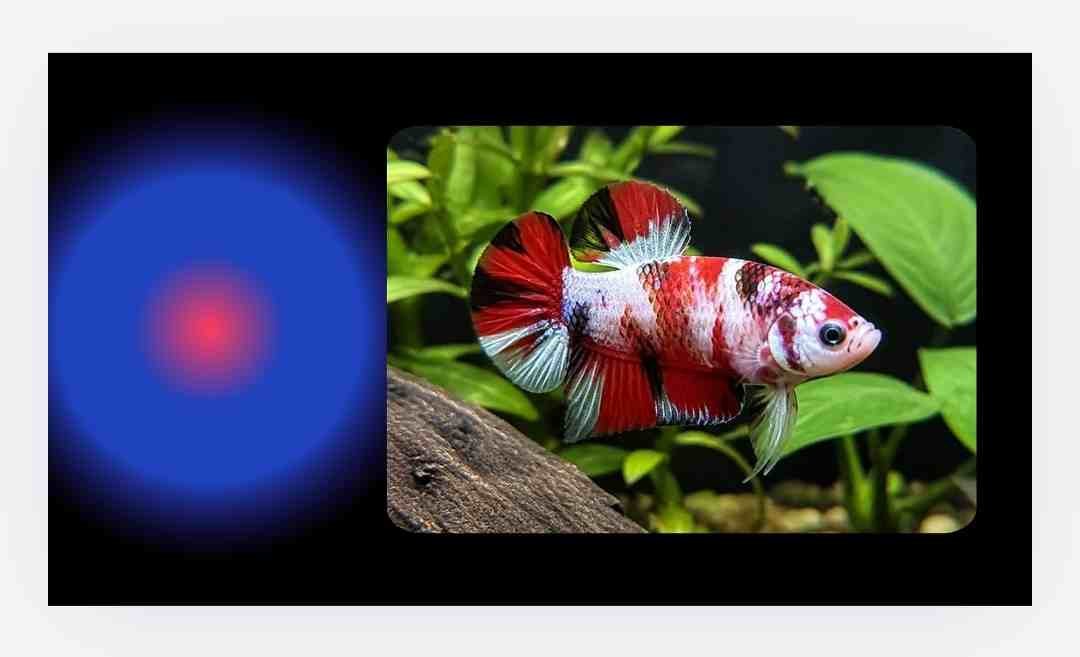
alt="Nemo short tail plakat betta fish showcasing a bold red and white patterned fin structure"

The Myth of Adaptability: Chronic Stunting

We have all heard the old claim that fish will only grow to the size of their container. Let’s be entirely honest here: when a fish stops growing because its tank is too small, it is experiencing a severe physiological condition called stunting. It is not a helpful adaptation; it is chronic, systemic organ crowding.
Being trapped in a tight, unheated enclosure forces the fish’s brain to pump out constant, high streams of cortisol, the primary stress hormone. This constant hormone flush acts as a biological emergency brake, blocking normal skeletal expansion.
The true danger, however, is internal. While the outer skeleton stops growing, the internal organs continue to develop toward their genetically predetermined adult size. This severe structural compression causes swim bladder damage, internal organ failure, and a very painful, early death.
Sizing a Healthy Aquarium Layout
If you want an active, bright fish that displays its full personality, provide an aquarium that holds at least 5 gallons. A larger volume of water acts as a natural buffer, diluting waste compounds over days rather than hours, and making it vastly simpler to maintain a stable, safe temperature baseline.
Bettas are specialized surface and mid-water swimmers. They love to patrol the full horizontal length of their glass but must always have a clear, unblocked path to the top. The physical structure of your specific fish’s fins dictates its environmental layout needs:

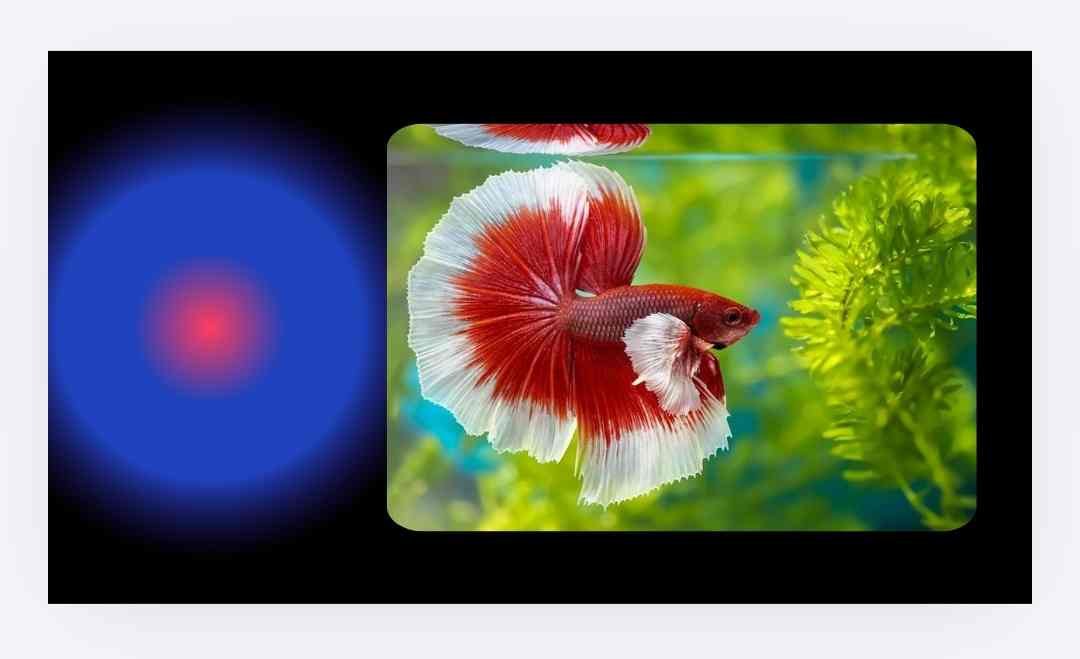
The Weight of Long Fins: Breeds like veiltails, half-moons, and giant deltas carry a massive amount of fin weight. This creates extreme physical drag when they swim. They drain their energy reserves quickly and require wide, soft silk leaves or broad live plants near the top of the tank to rest on between surface breaths.
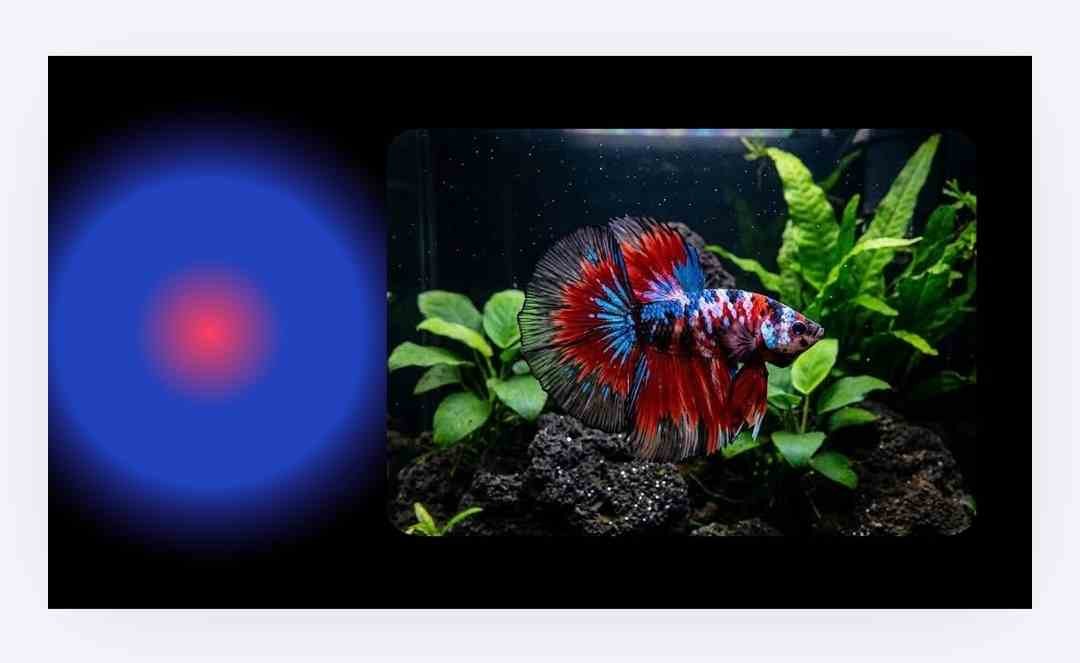
alt="Premium red and blue metallic halfmoon male betta navigating live aquarium rocks"

The Agility of Plakats:


Short-finned plakats are built like their wild ancestors. They are fast, incredibly agile, possess immense stamina, and navigate stronger filter currents with ease.

Regardless of your betta’s fin type, you must leave a 1-to-2-inch gap of open air between the water’s surface and the aquarium lid. Keep this pocket of trapped air warm. If your tank lid seals out all fresh air or lets the surface air drop to freezing temperatures, your betta can contract a respiratory illness or drown.

Aquarium Chemistry & Parameter Logs Water Quality Target Sheet

Chemical Metric Ideal Target Maximum Safe Limit Pathological Consequence of Breach
Water Temperature 76°F – 80°F Critical: <75°F
Lethal: >82°F
Digestive enzyme arrest vs. acute metabolic exhaustion.
pH Scale 6.5 – 7.5 6.0 – 8.0
(Must remain stable)
Destruction of cellular gill tissues and systemic mineral loss.
General Hardness (GH) 3 – 8 dGH
(50 – 140 ppm)
Minimum: 2 dGH
Maximum: 12 dGH
Osmoregulatory failure, continuous cellular leaching, or calcium block.
Carbonate Hardness (KH) 3 – 6 dKH
(50 – 105 ppm)
Minimum: 2 dKH
Maximum: 8 dKH
Total loss of acid-buffering capacity resulting in catastrophic pH crashes.
Ammonia Levels 0 ppm 0.25 ppm
(Immediate Crisis)
Rapid cellular necrosis of gill tissue and permanent central nervous system destruction.
Nitrite Levels 0 ppm 0.25 ppm
(Immediate Crisis)
Methemoglobinemia, causing immediate internal chemical suffocation.
Nitrate Levels <20 ppm Safe ceiling: 40 ppm Chronic immunosuppression, leading to systemic fin rot and sores.
How Poor Water Quality Destroys Internal Organs
Freshwater fish live in a constant state of chemical war with their environment through a process called osmoregulation. Since a fish’s blood and muscle tissue are naturally much saltier than the fresh water around them, external water continuously forces its way inside the fish through its skin and gills, while internal minerals naturally leach outward.
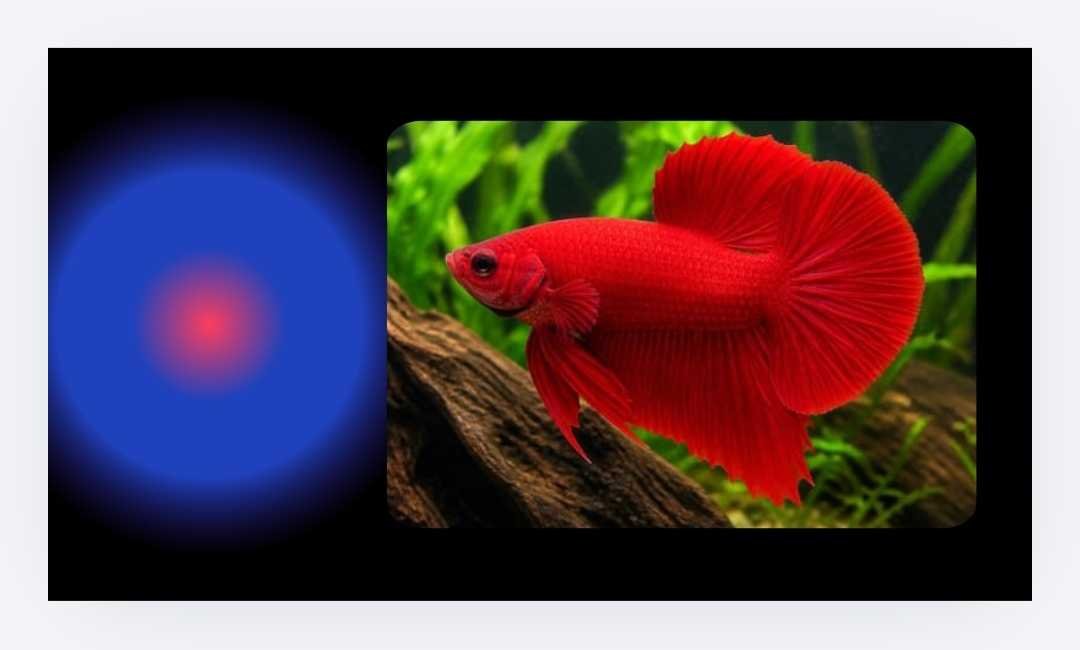
alt="Super red short-finned halfmoon plakat betta swimming side-on near aquarium driftwood"

To stay alive


A betta’s kidneys must work non-stop to filter out this excess internal moisture, creating large amounts of highly diluted urine. Meanwhile, specialized chloride cells sitting directly on their gill membranes act like microscopic vacuum cleaners, actively pulling replacement sodium and chloride out of the water.
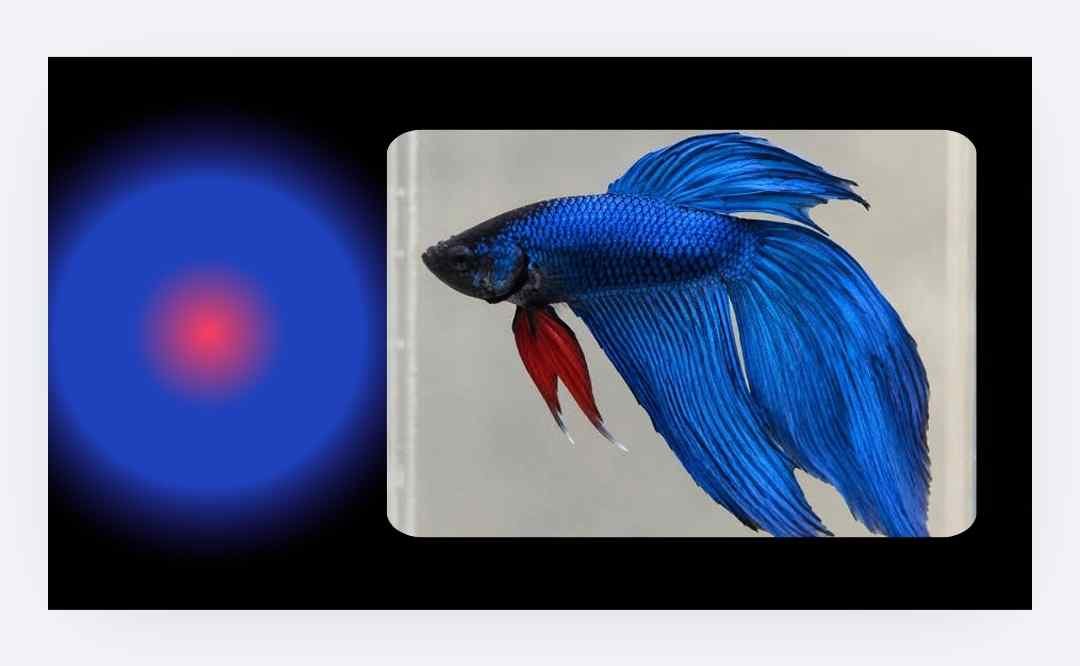
This biological pump consumes a massive slice of your fish’s daily caloric energy. When your water parameter levels get out of balance, this entire system collapses.
Free ammonia seeps right into the open gill walls, causing the delicate respiratory membranes to swell, scar, and fuse together.
This effectively cuts off the fish’s ability to extract oxygen. As ammonia enters the bloodstream, it inflicts permanent, oxidative destruction on both the liver and the central nervous system. Nitrite ions pass through the gills and bind directly with the fish’s blood cells, mutating regular hemoglobin into methemoglobin.
This altered blood is completely unable to bind or transport oxygen molecules. Even if your tank is bubbling with plenty of dissolved oxygen, your fish will still quietly suffocate from the inside out.
The Hidden Cost of Cold Water
Bettas are strictly ectothermic, meaning they are completely incapable of producing their own internal body heat. Their internal body temperature is dictated entirely by the water temperature around them.
When the water drops below 75°F, their internal digestive enzymes stop working, and their metabolism grinds to a near-halt. Digestion ceases completely. Any food sitting in the stomach will begin to rot and ferment, causing severe gas buildup, extreme bloating, and intestinal blockages.
Cold water also lowers their active oxygen absorption and suppresses their immune system. Without white blood cell movement, common parasites like Ich, velvet, and columnaris bacteria can easily overwhelm your fish.
The betta will stop swimming, sink to the bottom, reject food, and take in cold surface air that chills its respiratory tissue. Conversely, keeping a tank above 82°F forces the fish’s metabolism to run at hyper-speed, shortening its natural life span and causing it to gasp for air just as hot water loses its natural ability to hold onto dissolved oxygen.

alt="Stunning royal blue male veiltail betta fish displaying full long fins in clear water"

Establishing a Safe Aquarium Ecosystem

How to Properly Cycle a New Tank Setup
Bettas constantly shed metabolic waste through their gills, which mixes with decaying organic matter to produce toxic ammonia. To handle this safely, you must build an invisible, living biological filter inside your aquarium before introducing any live fish.
This requires growing two distinct colonies of beneficial, oxygen-loving bacteria: Nitrosomonas, which eats toxic ammonia and turns it into nitrite, and Nitrospira, which processes that dangerous nitrite into much safer nitrate.
Always follow these exact steps to complete the nitrogen cycle before bringing a fish home:
    1. Dose Pure Ammonia: Add a clean source of pure aquarium ammonium chloride to an empty, running aquarium until your water test reads an ammonia level of 2 ppm. Set your heater to a stable 78°F to encourage rapid bacterial growth.
    2. Monitor the First Phase: Test your water parameters every single morning. You will know your first colony of beneficial bacteria is growing when your raw ammonia levels start dropping and your nitrite readings begin to climb.
    3. Track the Second Phase: Keep monitoring your levels daily. Over the next few weeks, your nitrite levels will peak and start to rapidly drop as your second colony of bacteria establishes itself.
    4. Verify Bio-Capacity: Your biological cycle is fully complete when your filter can take a full 2 ppm dose of pure ammonia and process it completely down to 0
      ppm of both ammonia and nitrite within a single 24-hour window.
    5. The Drawdown Water Change: Perform a 30% water change using a premium water conditioner to drop your leftover nitrates well below 20 ppm, and your tank is officially ready for your new fish.
Note: Cultivating this delicate living ecosystem is a slow process that typically takes anywhere from 4 weeks to two full months to completely stabilize. Do not rush this phase if you want a healthy aquarium.
alt="Solid orange male standard betta splendens swimming inside a clean tropical tank setup"

Low-Stress Filtration and Heating Requirements

Because heavy water currents can easily damage long, flowing fins and leave your fish exhausted from constantly fighting the stream, filter selection is critical. Your goal is to choose a gentle filtration setup that turns over roughly 2 to 4 times your total tank capacity per hour (which looks like 10 to 20 gallons per hour for a standard 5-gallon tank).
A simple foam sponge filter driven by a small air pump with an adjustable air valve, or a small internal power filter modified with a plastic pre-sponge baffle over the outlet, is highly recommended.
Your filter should be set up with sequential stages. Mechanical media physically traps floating particles before they rot, biological media provides the porous surface area where your living Nitrosomonas and Nitrospira colonies actually live, and chemical media uses activated carbon to pull out dissolved heavy metals or strong odors. Remember to swap the chemical carbon out every 3 to 4 weeks to maintain total system efficiency.

Finally, since standard household rooms experience constant temperature shifts throughout the day, a dedicated aquarium heater is a mandatory piece of gear. Choose an adjustable, fully submersible heater featuring a calibrated, internal thermostat.

Deploy 3 to 5 watts of heating power for every single gallon of water in your tank (a 25-watt heater is a perfect fit for a standard 5-gallon tank). Mount the heater directly next to your filter’s water output so that the warmth spreads evenly across the entire glass enclosure.

Always verify the internal temperature using an independent digital thermometer stuck to the opposite side of the tank, and adjust your settings to keep daily temperature swings under 2°F.


If you found this care guide helpful, bookmark AquaFishGuides.com and check back weekly as we continuously build out our complete tropical fish library.

Leave a Comment