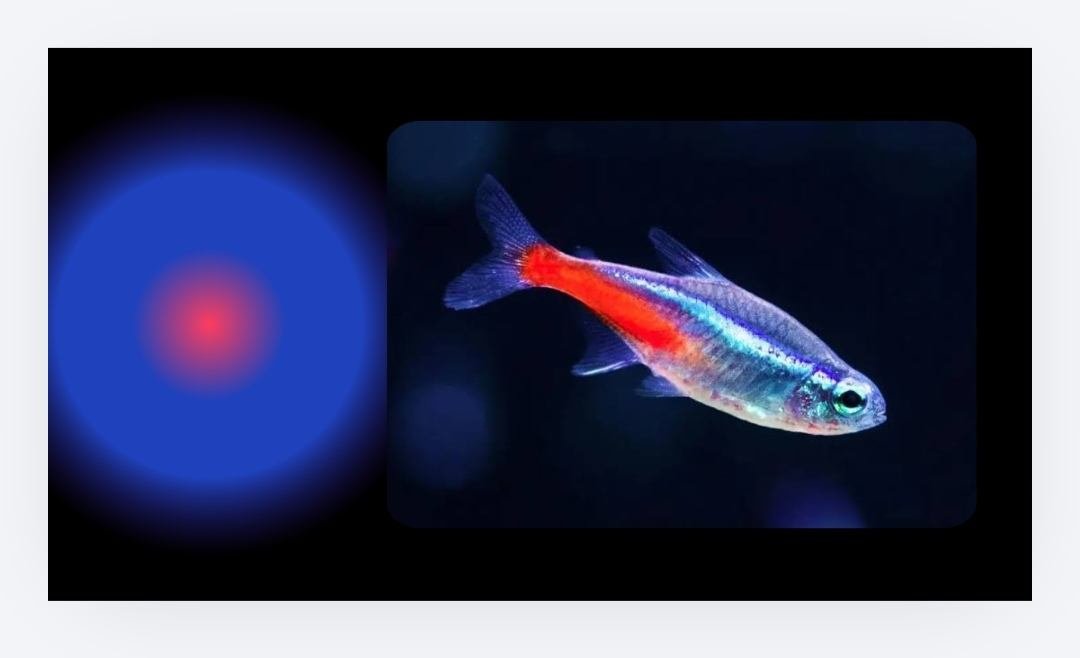
The vibrant blue and striking red flash of a schooling group of Neon Tetras (Paracheirodon innesi) is a classic sight in the aquarium hobby. In the right environment, these peaceful fish can easily live for 5 to 8 years. However, beginners often suffer mass losses within the first few weeks of bringing them home.
-
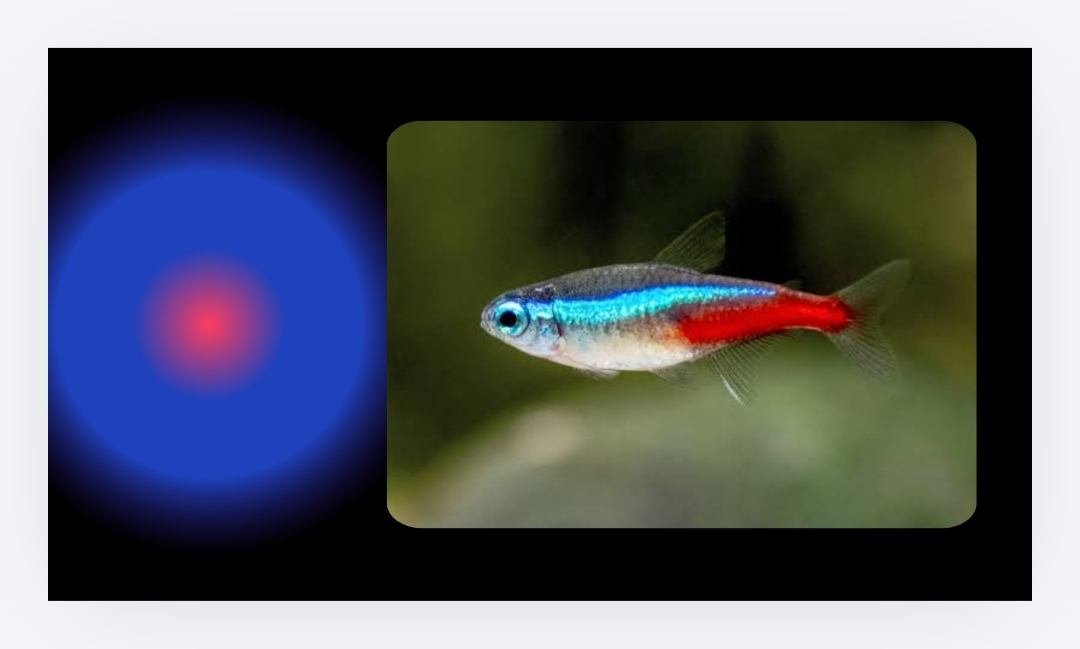
- The Stress of Isolation: Never keep fewer than 6 neon tetras together. Keeping a tiny group or a solitary fish forces their brain to stay in a constant state of panic. This continuous fear spikes their stress hormones, paralyzing their immune system and leaving them defenseless against diseases.
- The Optimal Baseline: Always aim for a starting group of 10 to 12 tetras. A larger school distributes social hierarchy naturally, creates immense visual security for the fish, and encourages the tight, active swimming lines that display their bright coloration.
Minimum Volume Requirements:
Provide an aquarium housing at least 10 gallons (38 liters) of water. While a smaller school can technically fit inside a 5-gallon tank, a 10-gallon long aquarium offers the crucial horizontal swimming space these active dither fish need to move naturally.
The Chemistry Safeguard: Small tanks suffer from rapid, unpredictable water parameter shifts. A 10-gallon or larger volume creates a stable chemical buffer, buying you valuable time to catch and correct organic waste build-ups before they harm your livestock.
The Blackwater Hydro-Parameter Matrix
-
- Water Temperature: Keep the tank between 72°F and 76°F (22.2°C – 24.4°C). Avoid exposing them to temperatures above 78°F long-term, as warm water accelerates their metabolism, shortening their natural lifespan.
- pH Scale: Maintain a stable target between 6.5 and 7.0. While wild neons can live in highly acidic water below 6.0, captive-bred varieties thrive best in slightly acidic to neutral water, provided the level never swings wildly.
- General Hardness (GH): Aim for a soft profile between 2 and 6 dGH (35 – 105 ppm). Excessive mineral hardness puts severe pressure on their kidneys, leading to calcification and fluid buildup over time.
- Carbonate Hardness (KH): Keep levels between 1 and 3 dKH. Because soft water naturally has a low KH, you must monitor your tank regularly to ensure your buffering capacity never drops to zero, which causes sudden pH crashes.
- Nitrogenous Waste Ceiling: Maintain Ammonia at 0.0 ppm, Nitrite at 0.0 ppm, and Nitrates strictly below 20 ppm. Neon tetras have incredibly fragile gill membranes that suffer immediate, permanent damage when exposed to even trace amounts of ammonia or nitrite.
Managing Niche Compatibility & Ecosystem Setup
-
- Ideal Companions: House them with peaceful, similarly sized nano species that occupy different zones of the water column. Excellent choices include bottom-dwelling Panda Corydoras, Kuhli Loaches, and small livebearers like Platy fish.
- Species to Avoid: Keep them completely separate from large cichlids like Oscar fish, aggressive barbs, or predatory catfish that will hunt them overnight.
-
- The Filter Setup: Utilize a gentle foam sponge filter driven by a controllable air pump, or an internal filter fitted with a spray bar to diffuse the returning water current across the back glass.
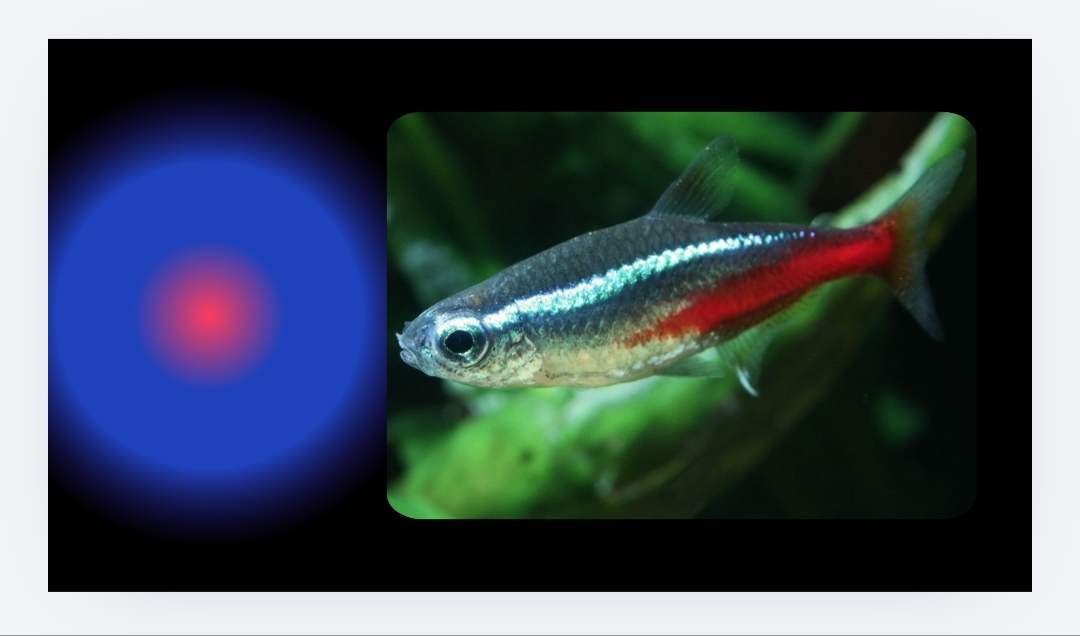
- Aquascaping Choices: Use fine pool filter sand or smooth, dark gravel to keep their sensitive barbels safe. Decorate the space heavily with live plants like Java Fern, Amazon Swords, and floating frogbit to diffuse harsh aquarium lights. Shaded spaces mimic their natural blackwater streams, reducing stress and making their neon colors stand out brilliantly against the green backdrop.